When the skin is in the process of recovering from an injury — whether the result of an accident, surgery, a burn, or acne — scarring will occur wherever multiple layers of the skin have been affected. Scars are usually permanent once they form, but they may be made less visible with several possible treatments. The key is to treat scars early to lessen their effect. Double board-certified facial plastic surgeon Dr. Edward J. Gross offers facial scar treatments/procedures in the Orlando area to help patients restore their smooth, natural skin.
Communities We Serve
Facial plastic surgery specialist Dr. Gross is known for correcting facial scarring for his patients from throughout suburban Orlando, including:
This high school student from Orlando had ear piercing done which became infected and caused a keloid scar on the back of her ear. Dr. Gross performed scar revision and keloid removal to achieve these results. Kenalog injections and vascular Pulse Dye Laser (Candela) are needed after surgery to prevent recurrence. After photo taken 6 mon... Read More
Case #144. Facial Skin Cancer. This 38-year-old Orlando woman underwent Mohs surgery to remove skin cancer (basal cell carcinoma) and was referred to Dr. Gross for reconstruction. A cheek rotation flap followed by CO2 laser and Pulse Dye laser were used to correct her deformity. Results shown at 6 months. She is very grateful and ha... Read More
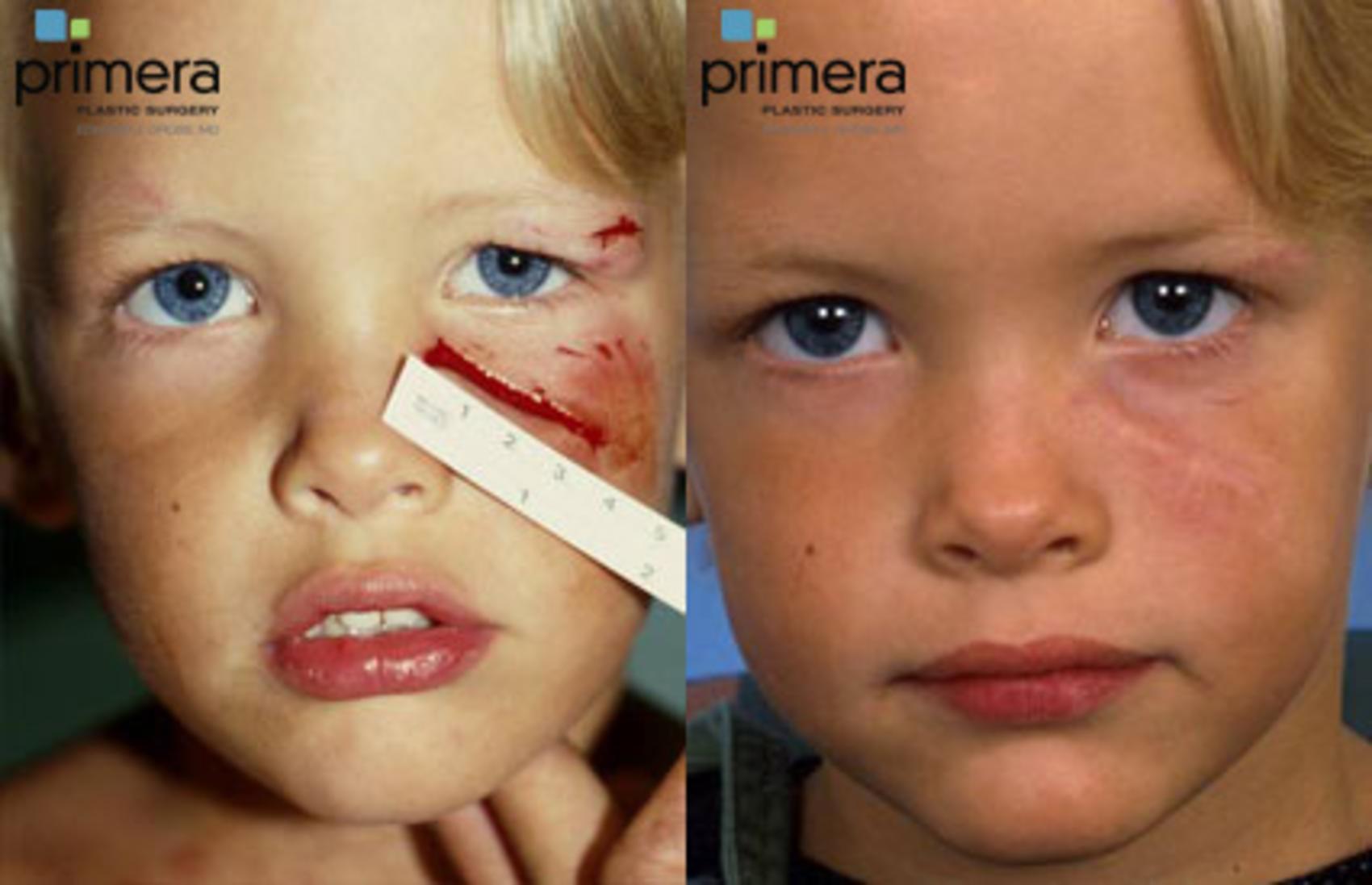
Case #143. Dog-bite injury. This 4-year-old boy was bitten close to his eye by a family pet. Dr. Gross performed emergency surgery to reconstruct his cheek and orbital area. His results are shown 6 weeks later and there is minimal scarring. His eye function was saved. Read More
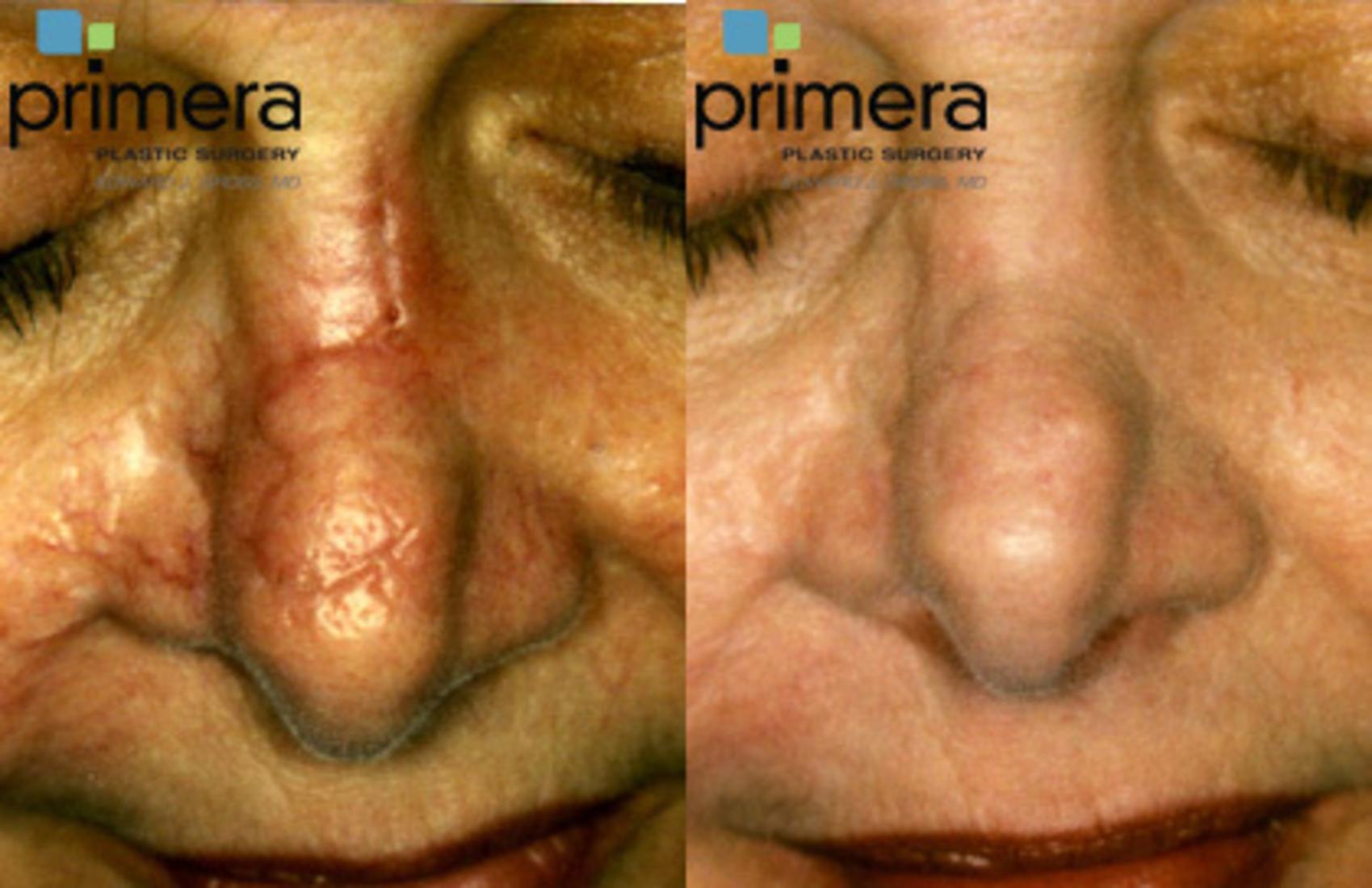
Pulse Dye Laser- Facial Scar. This Tampa , FL patient had been treated for skin cancer of the nose and required reconstructive surgery performed by Dr. Gross. We used the pulse dye laser on her nasal scar to improve the appearance. Several sessions were needed. We use the Candela V-beam laser which is the gold standard for scar treatments. Read More
Case# 483 | Mole Removal | Orlando. This Hispanic gentleman was born with a large congenital mole on his left cheek which enlarged as he got older. Dr Gross removed this birthmark (giant nevus) with scar revision under local anesthesia. Photos shown at 3 months, and he is very happy. Read More
Case #499. CO2 Laser for eyelid mole/skin tag removal. Dr. Gross treated this Orlando-area woman using the carbon dioxide (DOT CO2) laser to remove this benign condition known as a Seborrheic Keratosis. It was biopsied prior to treatment. Laser eye shields were used due to proximity to the eye and was done under local and topical anesthesia.... Read More
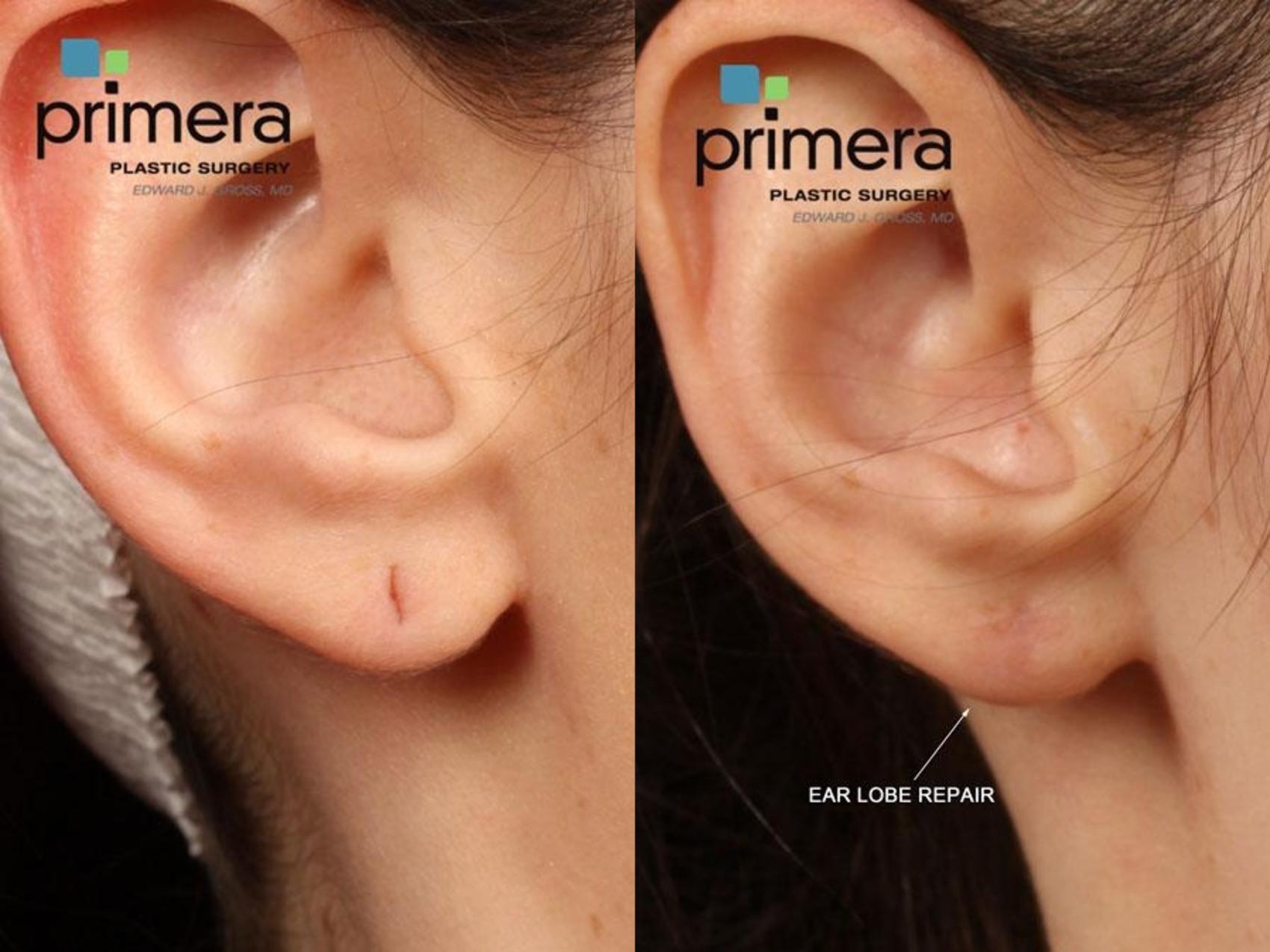
This 24-year-old Orlando woman had an enlarged/torn earring hole. Dr. Gross repaired the ripped earring hole in about 20 minutes under local anesthesia. Recovery was minimal and sutures are removed in 1 week. We re-pierce the ear in 2 months once it's fully healed. Read More
This Orlando, FL woman had a large scar on right cheek following Mohs surgery for removal of a basal cell skin cancer. We performed multiple laser treatments with the DOT CO2 laser and Pulse Dye Laser to make the scar smoother and less noticeable. She is very happy now. Read More
Keep in mind that each patient is unique and your results may vary.
How Much Does Scar Revision Surgery Cost in Orlando?
The specific cost of scar revision varies depending on the nature of the scar. Dr. Gross evaluates your scarred area to decide if you are a candidate for a non-excision procedure. If that is not going to create the most optimal result, then the best option will most likely be a Fusiform Excision Procedure, which excises the previous scar and creates a plastics closure–offering the finest, thinnest, and smoothest incision site result.
You’ll receive exact pricing after your personalized consultation with Dr. Gross. He proudly offers CareCredit® and other financing options to make paying for your procedure more convenient and affordable.
MODEL
Your Comfort Matters
Take charge of your own comfort with Pro-Nox™! Available for select procedures, this self-administered pain management system provides fast-acting relief without needles or prescription medications. Plus, you can even drive home afterward! Learn more about how Pro-Nox enhances your comfort and satisfaction.
Most people are self-conscious about scars. Some people may also experience diminished functioning of the eyes, mouth, or nose due to facial scarring. At Primera, we have several treatment options to improve the appearance of scars after:
Surgeries
Acne and chicken pox
Injuries and accidents
Skin cancers and small biopsies
Burns
Stretch marks
Edward J. Gross, M.D.
Double Board-Certified Facial Plastic Surgeon
With 24 years in practice, Dr. Gross’ quality of care and results have earned the confidence and referrals of doctors throughout the region. His emphasis on patient education helps the men and women he treats feel comfortable and supported during their treatment.
Facial Scarring Treatment With a Facial Plastic Surgery Specialist
All scars, including stretch marks at early stages, have a pink/purple discoloration that denotes excess circulation within the scar. When these signs appear about 3 to 6 months after the skin injury, this is the ideal time to improve the color and reduce the scar’s visibility. At later stages, increased circulation subsides, and the scar may become white and permanent.
Thanks to Dr. Gross’ facial reconstruction training and his vast laser expertise, we receive a number of referrals for laser scar therapy. The most commonly used lasers are the Candela Pulsed Dye Laser and the Fraxel® laser. These technologies have been a tremendous breakthrough in scar treatments. For many of our Orlando patients, they provide relief without the need for surgery.
Although Dr. Gross is strictly a cosmetic surgeon (our practice does not accept insurance), the costs of laser scar therapy or revision surgery are dependent upon the individual type of scar. However, prices are quite reasonable, and the results are very pleasing.
From A Patient's Perspective
Read and hear real people discuss their unique experiences and get a perspective that is sometimes missing from shorter reviews. These stories feature some of our actual patients describing their personal journeys and what makes Primera Plastic Surgery such a special place.
Our different kinds of scar treatments/procedures can be performed alone or in combination with each other. Some of the following treatments may require several sessions for full results:
Light Therapy
A painless procedure in which red light is applied directly to the scar by our licensed medical aesthetician. This treatment decreases redness and discoloration of scars.
Pulsed-Dye Laser (PDL)
A concentrated beam of yellow light targets blood vessels in the scar. The light converts to heat, shrinking the blood vessels and reducing the scar and its telltale pink color while leaving the surrounding skin undamaged.
Medical Microdermabrasion
Used to treat hypertrophic scars, microdermabrasion exfoliates the thick epidermis on top of the scar, sanding it to the level of the normal skin. Deeper scars may require dermabrasion under anesthesia.
Injection With Corticosteroids
This method treats thicker hypertrophic or keloid scars. A medical corticosteroid injected within the scar causes the tissue to atrophy, contract, and level off with the normal tissue.
Silicone Gel Sheeting
Surface gel sheeting materials minimize scars and reduce scar formation. These non-medicated strips, available over the counter, are worn on the affected area either 24/7 or during sleep.
Topical Steroid Ointments
Dr. Gross may prescribe low-potency prescription-strength steroids to reduce inflammation and scar redness. We generally treat for no more than 2 months to avoid thinning the skin. Steroid ointments should never be covered with bandages or gel sheets. We recommend steroid ointments instead of creams, which contain an alcohol base that dries the skin.
Laser Peel
This treatment uses a Fraxel laser, which is a resurfacing laser that can target specific scar tissue. This erbium-based laser has a high affinity for water and produces minimal heat, making for an excellent safety profile. You may have some downtime (2 to 3 days) with associated pinkness, especially if the scar is deep or complex.
A Reputation Built on Results
I spent months researching surgeons in both Orlando and Los Angeles before finding Dr. Gross. From my...
The patient coordinator Shalyn was able to make the process so seamless with her attention to detail...
I had the most amazing experience with Tami for my first VI Peel Precision Plus! I was a little nervous...
I can’t say enough great things about Dr. Gross and his entire staff. From start to finish, the experience...
Our practice is among the few that use computer imaging to show potential results. With the help of this technology, Dr. Gross can reliably tailor a surgical treatment plan for the unique needs of each patient.
Will I have scarring, and what will it look like? Usually, facial injuries and lacerations can be improved with laser therapy and time. Certainly, there will be some signs of the injury, but these lessen as time goes by. In children, these typically show up as a bright pink line for several months following the surgical repair. This tends to fade in a 6- to 12-month period, and it is important to use sunblock and to avoid direct sun exposure.
How many treatments will I need with the laser? The average is 3 to 6 sessions, 1 month apart.
Does the pulse dye laser hurt? No. It uses a cooling spray, so there is no pain associated with the treatment.
What ages do you treat with the laser? We treat people ages 10 and older.
Does insurance cover laser therapy? No, these lasers are considered cosmetic and not covered. Although our office does not participate with insurance or Medicare, many patients come for treatment because of the results we achieve and help we provide.